Rain as Identity: The Pulse of the Archipelago
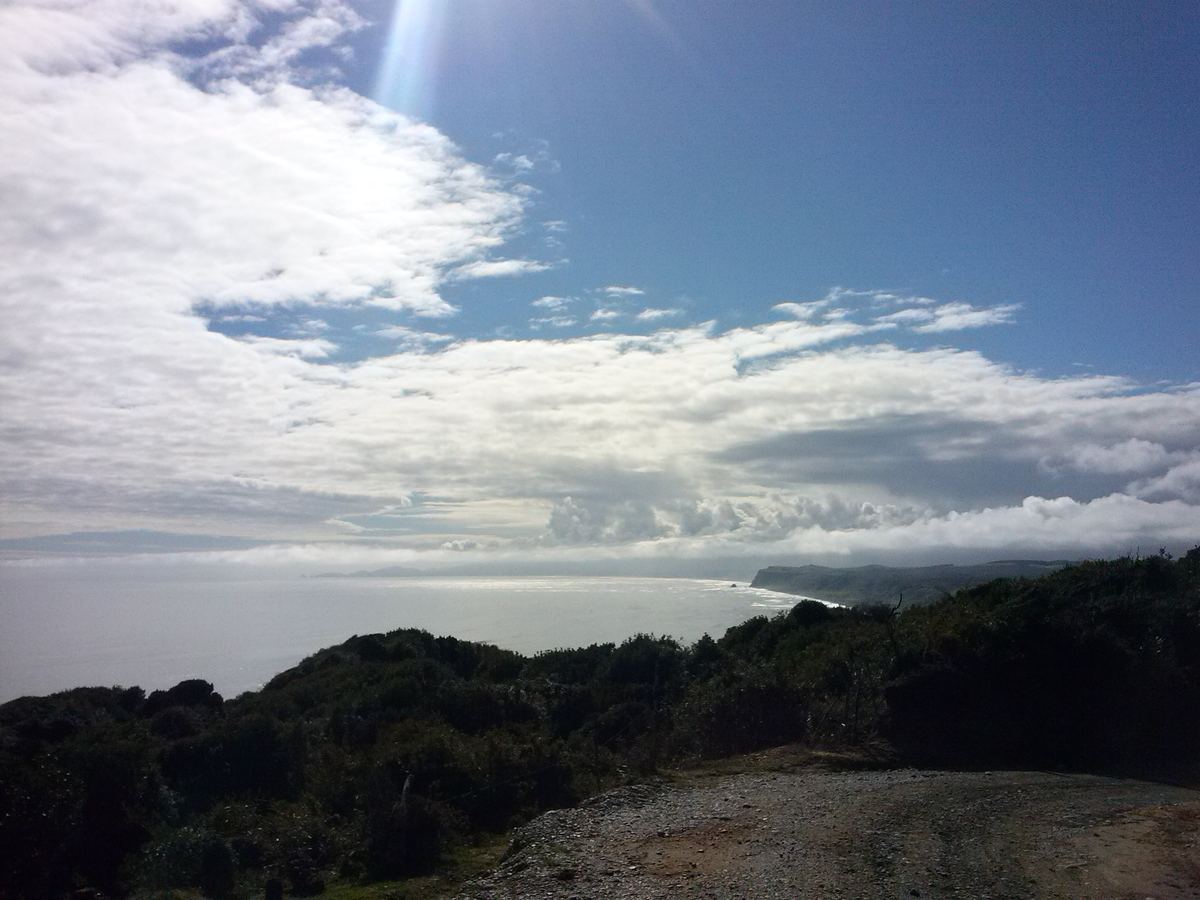
When English naturalist Charles Darwin visited the archipelago in 1834, he noted with amazement in his logbook: “I believe there are few places in the world where it rains more.” And he was entirely right. For the conventional tourist, rainfall forecasts might seem like a drawback, but for the observant cultural traveler, water is precisely the element that breathes meaning into this territory.
Here, rain doesn't ruin exploration; it defines the landscape, feeds the dense evergreen rainforest, and dictates the measured pace of its inhabitants. It was this same relentless rain that shaped local architectural identity, compelling early shipwrights to master wooden shingles (tejuelas) as an infallible protective skin. In the rain, Castro's timber doesn't dull—it reveals its raw texture, damp aroma, and most authentic atmosphere.
Sanctuaries of Faith & Contemporary Art
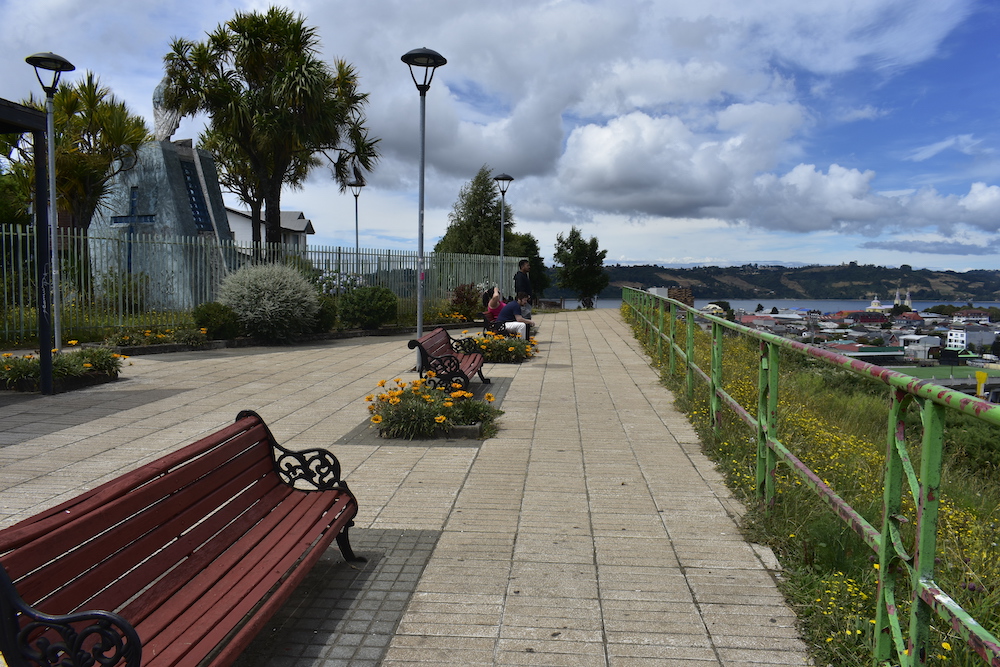
Overcast days offer the perfect excuse to seek shelter in indoor spaces of immense aesthetic and heritage value. Steps from Castro's main square, San Francisco Church stands as an unmissable stop. This UNESCO World Heritage site was brought to life by the technical mastery of local shipwrights. Taking shelter inside is an introspective experience: pale storm light filters softly over massive naves built from noble oak, ulmo, and cypress timbers.
For an immersion into art and history, the town offers two compelling destinations. On one hand, the Museum of Modern Art (MAM Chiloé), housed in a traditional Casa-Fogón, operates as a beacon of contemporary art. On the other, the Castro Municipal Museum on Lillo Street preserves the island's ethnographic memory through invaluable archaeological collections.
The Warmth of the Hearth: Gastronomy That Revives
When Pacific winds bite deep, the body's natural shelter lies beside the fire. Lillo Municipal Market, positioned by the waterfront pier, is the epicenter where island culture and endemic larders converge. Nothing revives the senses after a drizzly walk like tasting a steaming bowl of seafood broth or a rich pulmay (the famed pot-cooked curanto). Served in its intense broth of smoked shellfish and native potatoes, it is the ultimate antidote to the cold.
Returning to Your Station: Your Waterfront Refuge
After a day navigating ambient humidity and decoding local culture, returning to our home at Pedro Montt 250 feels like stepping into your private designer sanctuary. This is the moment to cross the threshold, leave damp boots behind, and let contemporary comfort embrace you.
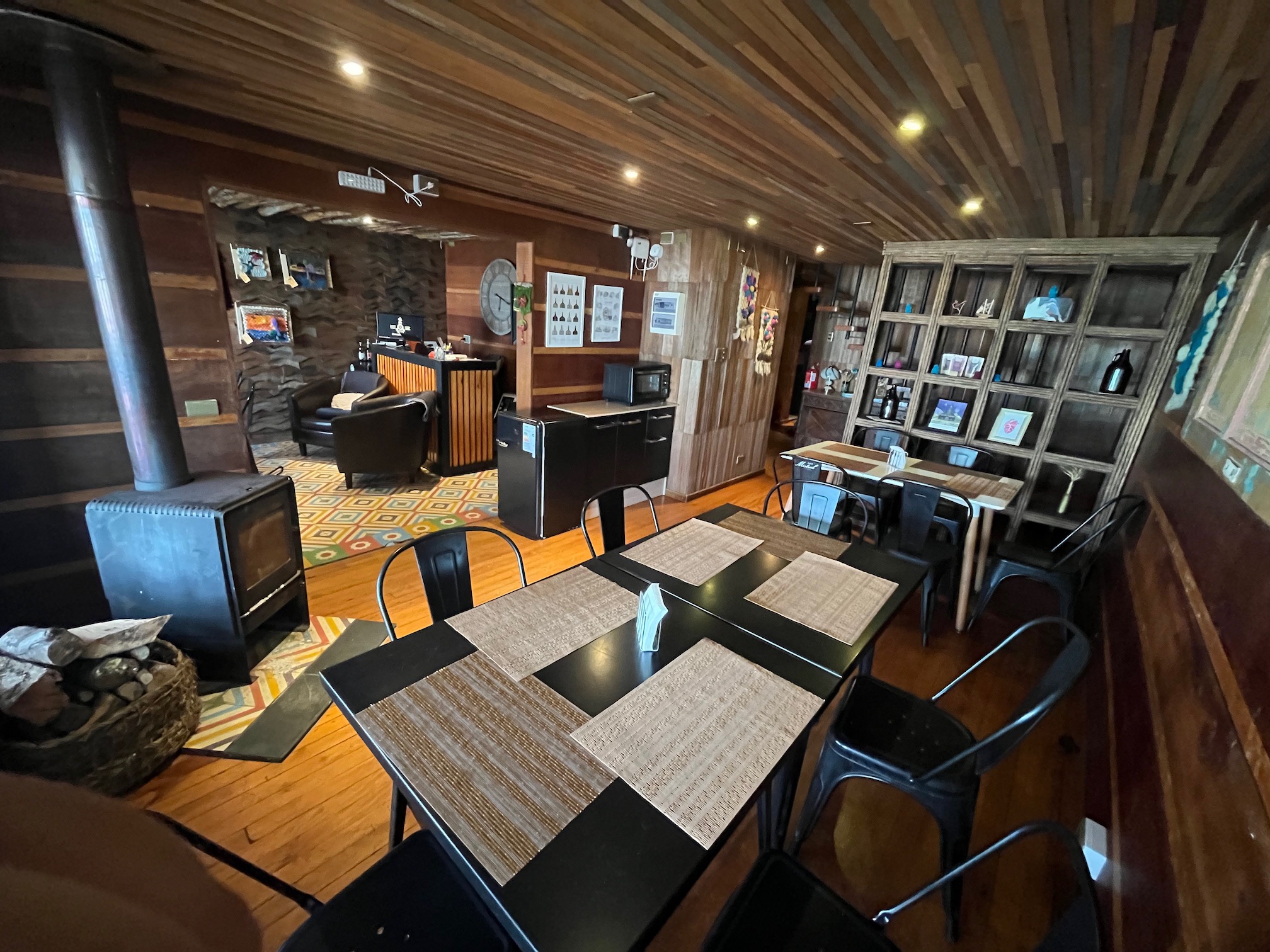
Imagine the scene: resting in our shared lounges surrounded by Fjord Blue and Live Rust tones that mirror the town's maritime and railway legacy. A freshly brewed mate in hand. Watching through wide glass as the storm brushes across the bay. Indoors, thermal comfort and genuine warmth remind you exactly why you chose this starting point for your expedition.
Frequently asked questions
Does it rain a lot in Castro?
Yes. When Charles Darwin visited the archipelago in 1834 he noted that he believed there were few places in the world where it rains more. Rain defines the landscape, feeds the evergreen forest and sets the unhurried pace of life in Chiloé.
What can you do in Castro when it rains?
You can shelter in San Francisco Church, a UNESCO World Heritage site, visit the Museum of Modern Art (MAM Chiloé) or the Castro Municipal Museum on Lillo Street, and warm up at the Lillo Municipal Market.
What should you eat in Castro when it is cold?
A hot seafood broth (mariscal) or a pulmay (pot-cooked curanto), served at the Lillo Municipal Market by the waterfront pier.
Is it worth visiting Chiloé when it rains?
Yes. In the rain Castro's timber reveals its texture and most authentic atmosphere, and when the weather sets the rules the crowds disappear.