Timbers molded by tides: the genesis of the carved forest
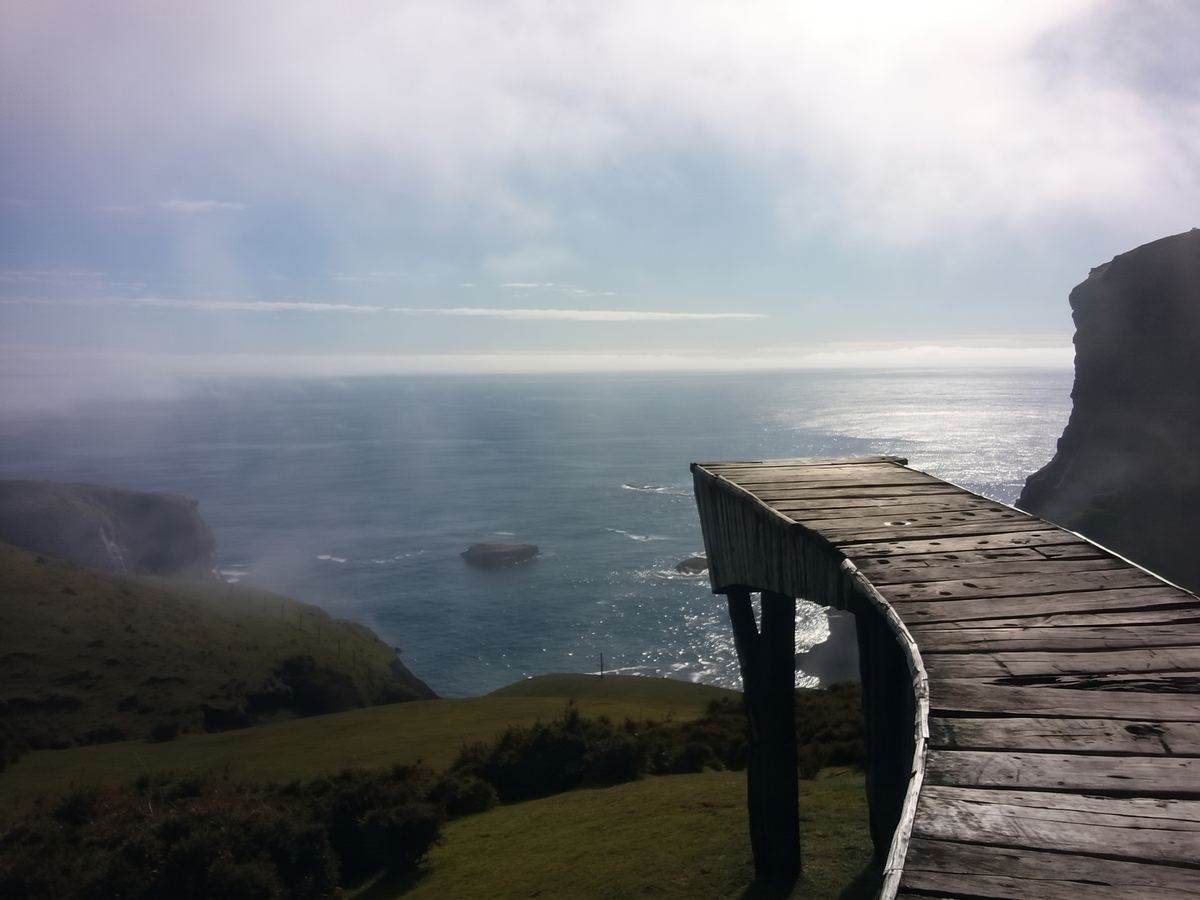
In the Chiloé archipelago, dry land is a shifting concept. Here, there is no sharp boundary between the dense temperate rainforest and the salt spray of the inner Pacific: the sea territory (maritorio) is a single living organism where trees grow facing the tides, and builders learn to read the winds before laying any foundation.
When the circular missions of Jesuits and Franciscans set out to erect temples along this labyrinth of fjords and inner islands during the 18th and 19th centuries, they did not turn to continental stone masons or European stonework masters. They summoned those who truly mastered the raw material and the laws of the island climate: the coastal shipwrights (carpinteros de ribera).
Craftsmen trained in coastal shipyards, builders of indigenous dalcas and Chilota wooden boats tested against the rigor of the southern seas, these artisans transferred their naval logic from the shoreline to the hillside. If a wooden vessel had to withstand the relentless battering of waves and ocean salinity without cracking, a temple built in this far corner of the world had to respond with the same hydrodynamic flexibility against the gales of the north wind and continuous storms. Thus was born the Chilota School of Wooden Religious Architecture: a technical feat where the church was conceived not as an inert stone monument, but as an overturned ship anchored on land.
Celestial vaults: ship hulls turned toward the heavens
Crossing the threshold of these UNESCO-protected heritage churches is an experience of geometric inversion. Gazing up in iconic temples such as Our Lady of Grace in Nercón, or contemplating the imposing height of the central nave in Santa María de Rilán and San Francisco Church in Castro, the revelation is immediate.
The vernacular engineering supporting these naves almost completely eschewed metal. In an archipelago where iron was a scarce commodity and fiercely prone to rust from sea spray, shipwrights relied on refined structural joinery: mortise-and-tenon joints, lap joints, and timber interlocks secured exclusively with cylindrical pegs made of luma, a native hardwood whose density rivaled steel.
Each tree species fulfilled a specific bioclimatic role within the structure:
- Coigüe and Ulmo: chosen for foundation sills and main pillars due to their unyielding structural resistance against soil moisture.
- Guaitecas Cypress and ancient Alerce: hand-carved into shingles (tejuelas) to shield tower shafts and exterior walls, harnessing their natural resins to shed rainwater without penetrating the fiber.
- Mañío: reserved for interiors, providing warmth, light tones, and a fine grain ideal for moldings, colonnades, and rounded arches.
The result is a living organism that creaks, expands, and breathes to the rhythm of atmospheric pressure changes.
Setting the logbook: mapping the route from the waterfront
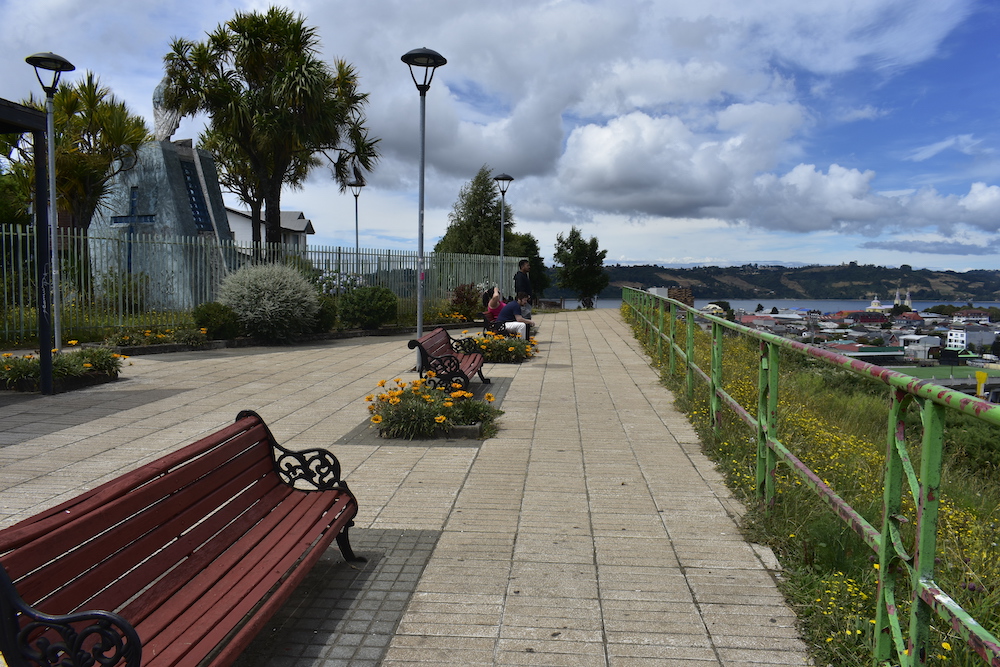
For travelers seeking to understand the island through its constructive details and material memory, exploration requires no crowded tours or forced transfers. The starting point lies right at the water's edge. Based at Estación Hostel (Pedro Montt 250), simply step out onto Castro's waterfront to begin a self-guided route on foot or short rides:
San Francisco Church
Just a 7-minute uphill walk. Featuring a corrugated sheet-metal facade and a breathtaking neo-Gothic rib-vaulted ceiling assembled entirely from native hardwoods.
Nercón Church
Located 4 km south along a green seaside esplanade. Its attic exposes the raw barrel-vault truss system alongside a traditional coastal cemetery.
Rilán Church
A temple of cathedral-like proportions where pointed arches showcase the sophisticated syncretism between European floor plans and southern woodworking chisels.
The harbor of return: contemporary design and material homage
After a day exploring architecture weathered by salty winds, returning to the bay demands a space that condenses that same reverence for origins, unburdened by artificial pretense.
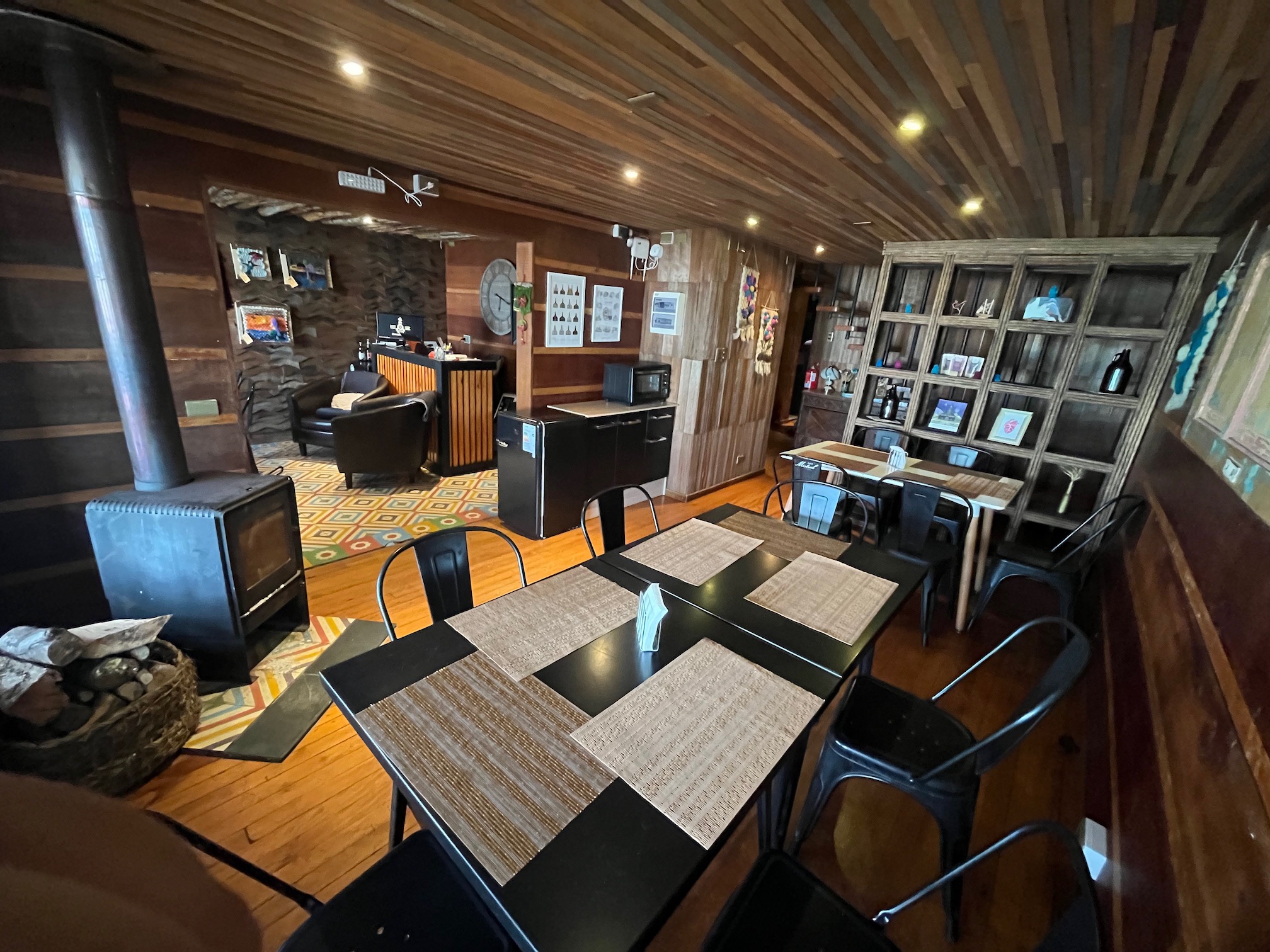
At Estación Hostel, carpentry heritage is not a museum piece, but a living language tailored to the modern comfort of digital nomads and cultural explorers. The shelter welcomes you with clean lines, efficient insulation, and an eloquent color palette: Fjord Blue, mirroring the shifting hues of the bay, and Live Rust, paying tribute to aged textures, exposed timber, and fire warmth.
Shedding heavy winter coats, settling by wide windows with freshly brewed specialty coffee, and watching wooden boats sway in the harbor while wrapping up remote work or reviewing travel sketches: that is the rhythm of this refuge. A bridge where rigorous design meets the centennial heartbeat of Chiloé's forests.
Continue Exploring the Logbook

The archipelago is not merely visited: it is deciphered grain by grain.
Make our architectural refuge the starting point of your heritage journey.
Book Your Station